As the crisp chill of fall gives way to Washington’s unpredictable winter, Seattle drivers face a mix of relentless rain, sneaky black ice, and occasional snowfalls that transform familiar roads into slippery challenges. Whether you’re commuting across the floating bridge or heading to a holiday event in Bellevue, safe winter driving in Washington State isn’t just smart—it’s essential for keeping you and your loved ones protected. At Seattle Party Bus Rentals, we prioritize safety above all, ensuring every group outing arrives on time and in style. But when it’s just you behind the wheel, these proven tips from the Washington State Department of Transportation (WSDOT) and local experts will help you navigate the season confidently.
First, preparation is your best defense. Start by checking your vehicle’s winter readiness. Washington law requires approved traction tires—think mud-and-snow (M+S) marked or those with the mountain/snowflake symbol—from November 1 to March 31 on many state routes, especially mountain passes like Snoqualmie or Stevens. 16 If you’re driving a passenger vehicle, studded tires are legal during this window and provide extra grip on icy surfaces, but remember: even with all-wheel drive, chains may be mandatory during storms. Chains are required on all vehicles when posted, regardless of 4WD status, and failure to comply can result in fines up to $500 or being turned around by troopers. 16 Practice installing them in your driveway now—WSDOT’s free app offers tutorials and real-time chain checks.
Next, build an emergency kit tailored for Evergreen State winters. Pack a full tank of gas (at least half-full to avoid freezing fuel lines), blankets, waterproof gloves, a hat, non-perishable snacks, water, a flashlight, jumper cables, an ice scraper, and a shovel or cat litter for traction if you get stuck. 11 Seattle’s Department of Transportation (SDOT) echoes this, recommending you clear all snow and ice from windows, mirrors, and your roof before hitting the road—it’s the law to avoid flying debris hazards. 11 For longer trips, download WSDOT’s Winter Driving Guide, which includes radio frequencies for updates and a printable checklist. 6
Before any drive, consult reliable resources. Dial 511 or visit wsdot.com for live mountain pass reports, traffic cams, and snowplow locations—crucial for routes like I-90 east of Seattle. 0 In the city, SDOT’s Winter Weather Response Map shows plowed streets and alerts for hills in Capitol Hill or Queen Anne. 2 Avoid peak hours if possible; early mornings often bring black ice, that invisible glaze on shaded roads or bridges. 8 Windstorms can down lines too, so keep headlights on low-beam for visibility and grip the wheel firmly. 2
On the road, slow and steady wins. Reduce speed by half on snow, to a crawl on ice, and increase following distance to at least four seconds—more on wet Seattle streets. 14 No cruise control, and brake gently to avoid skids. If you hydroplane (tires lose contact with wet pavement), ease off the gas and steer into the slide until grip returns. For black ice, look for shiny patches or erratic drivers ahead; if you hit it, don’t slam brakes—steer smoothly and decelerate gradually. 8 Watch for snowplows; give them space as they treat roads with brine and sand. 3 Respect closures—it’s illegal to bypass barricades, and elevation changes make conditions vary wildly from Seattle’s lowlands to pass summits. 10
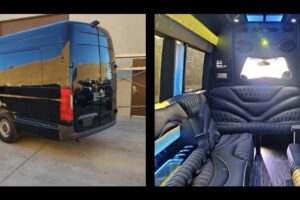
If you’re planning a festive getaway—like a holiday lights tour or New Year’s bash—consider ditching the solo drive. Opt for a professional service where safety is handled by experts. At Seattle Party Bus Rentals, our fleet features winter-ready vehicles with experienced drivers who monitor conditions, carry chains, and ensure traction on every trip. No stress over parking in slush or navigating fog-shrouded freeways—just relax with your group. Book now at www.seattlepartybusrentals.com for worry-free winter adventures.
Winter driving in Washington demands respect for its moody weather, but with these steps, you’ll stay safe and savor the season. Remember: If conditions worsen, pull over safely and wait it out. Drive smart, Seattle—your next destination awaits.